Fleas, Ticks and Heartworm: The Central Texas Parasite Year
A mild Central Texas winter is enough to keep fleas cycling in yards and along the greenbelts, and mosquitoes rarely take a real break here either.
September 4, 2026 · 3 min read
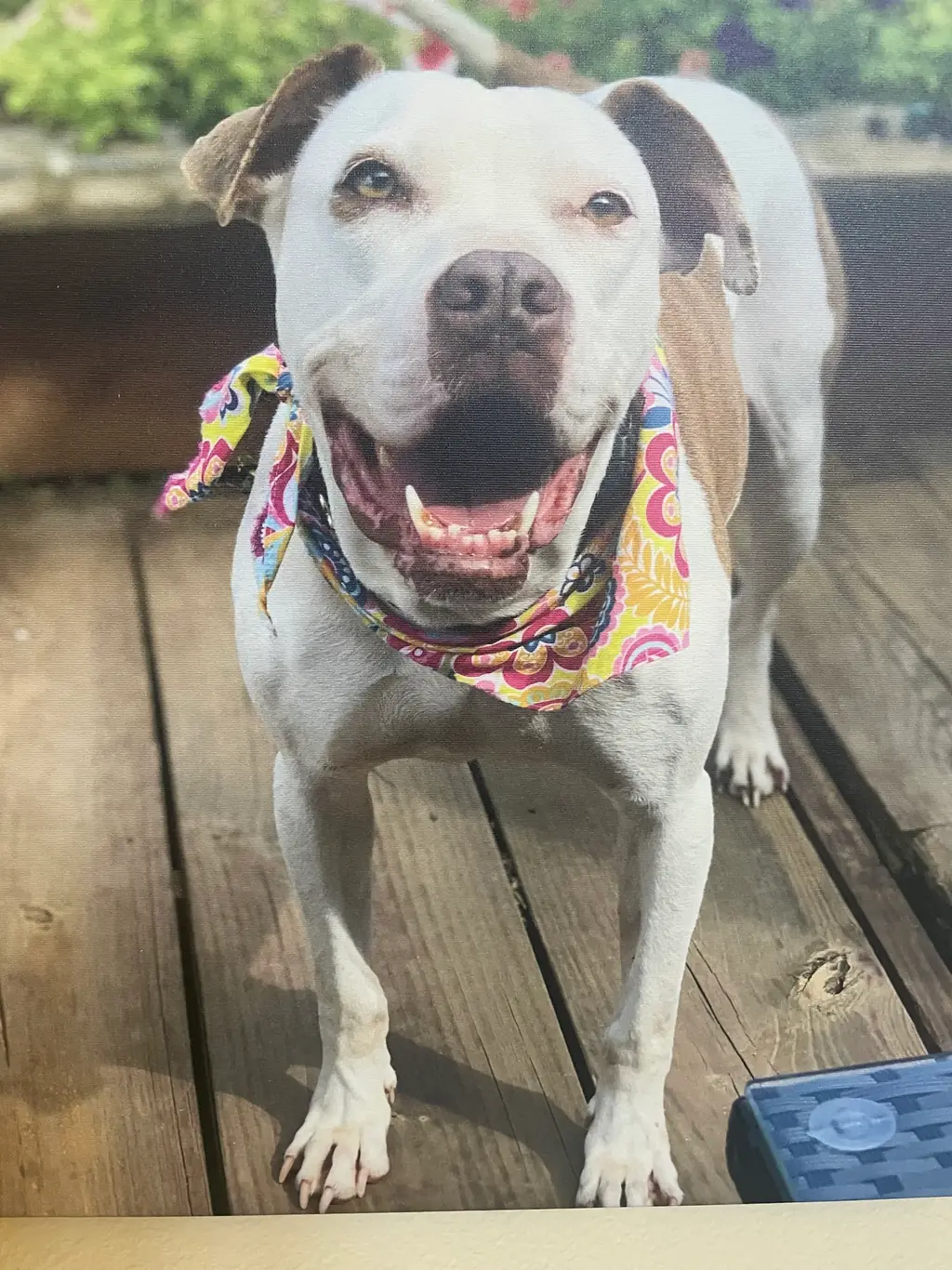
If you moved to Central Texas from somewhere with a real winter, you have probably already learned the hard way that flea and tick season here is not really a season. Our winters rarely get cold enough for long enough to knock back the flea and tick population the way a hard freeze does further north, and that single fact changes the whole conversation around parasite prevention for dogs and cats in Kyle, Buda, Wimberley, San Marcos, and the rest of Hays County.
Fleas and ticks, nearly all year
In much of the country, owners can reasonably ease off flea and tick prevention once the weather turns cold, because the parasites' life cycle stalls out. That shortcut does not really apply here. A mild Central Texas winter with a handful of warm afternoons is enough to keep fleas cycling in yards, under decks, and in tall grass along the greenbelts a lot of local dogs walk. Ticks follow the same pattern, more active in the warmer months but never fully gone the way they would be somewhere with sustained hard freezes.
Heartworm does not take a break either
Heartworm is transmitted by mosquitoes, and mosquitoes need standing water and warm temperatures to breed, both of which Central Texas provides for most of the calendar year. A single infected mosquito bite is all it takes to start the infection, and heartworm disease is far easier and cheaper to prevent than it is to treat once it takes hold. This is part of why year-round prevention, rather than a seasonal on and off routine, is the standard approach we recommend for dogs here, and increasingly for cats too.
It is not just about the itching
Fleas and ticks are more than a nuisance. Fleas can trigger allergic skin reactions in pets that end up itching, chewing, and losing hair over a bite or two, and a heavy flea burden in a young or small animal can cause real anemia. Ticks in Texas can carry their own set of diseases beyond what most owners think about day to day. None of this is meant to be alarming for its own sake, it is meant to explain why a lapsed month of prevention here carries more real risk than the same lapse would somewhere with a hard winter to reset the clock.
What about indoor pets
It is a fair question, and the honest answer is that indoor only pets carry lower risk, not zero risk. Fleas and mosquitoes get inside on their own, through a cracked door, a window screen, or riding in on another pet or a person, and a single indoor mosquito is all it takes for heartworm exposure. We still recommend prevention for indoor cats and dogs for this reason, just as part of a broader conversation about your household's specific setup rather than a blanket rule applied the same way to every pet.
What year-round prevention actually looks like
Parasite control is part of what we cover at every wellness exam, because the right product and schedule depends on your individual pet, your yard, whether you have a dog that swims or hikes the greenbelt trails, and whether you have other pets in the house. It is not one product for every pet in every household. What stays constant is the principle: prevention here works best as a habit that runs through the whole calendar, not something you start in spring and quietly let lapse by November.
Signs it is worth checking in
- visible fleas or flea dirt in the coat, especially near the tail base
- excessive scratching, licking, or hair loss
- a tick you find attached, even just one
- lethargy or reduced tolerance for exercise, which can be an early heartworm sign
- coughing that was not there before
None of these are things to guess about at home. If you are seeing any of them, or you are just not sure your pet's current prevention plan is doing what it should in a Central Texas climate, bring it up at your next visit. You can find more on what we check and recommend on our preventive care page, or reach us at (512) 268-5003 if you want to talk it through before you come in.
Kyle Animal Hospital · (512) 268-5003
Call (512) 268-5003More articles
The Dental Disease Your Dog or Cat Is Hiding From You
Pets are experts at hiding discomfort, and nowhere is that more true than in their mouths.
The Senior Pet Years: What Actually Changes, and What to Watch For
"He's just slowing down" is sometimes true. It's also the sentence we hear most often right before a bigger conversation.