The Senior Pet Years: What Actually Changes, and What to Watch For
"He's just slowing down" is sometimes true. It's also the sentence we hear most often right before a bigger conversation.
September 4, 2026 · 3 min read
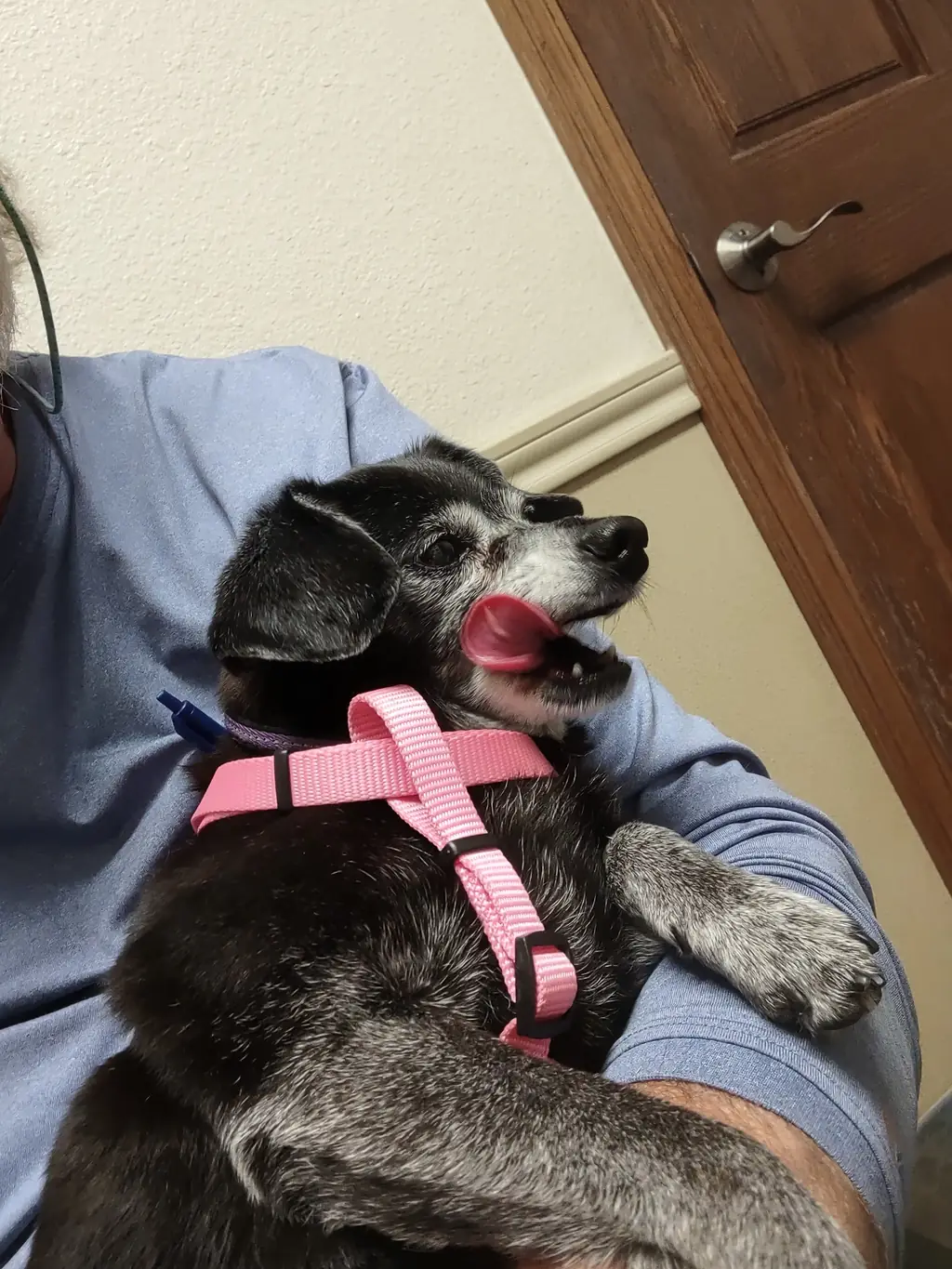
There is no single day your dog or cat becomes a senior. It happens gradually, in the kind of small changes that are easy to explain away one at a time. He is not chasing the ball as long. She is sleeping in a little later. He seems a bit stiff getting up in the morning but shakes it off in a few minutes. Any one of those, taken alone, really might be nothing. Taken together, over months, they are usually the actual signal that your pet has entered a different stage of life, one where the body is working a little harder to do the same things it used to do without thinking.
What actually changes
Joints wear. Kidneys and livers process less efficiently than they did at two years old. Hearing and eyesight dim gradually enough that most owners do not notice until a pet startles at something it should have seen or heard coming sooner. Weight can move in either direction, up because activity has dropped off, or down because an underlying condition is quietly burning more than it should. None of this is unique to any one breed or species. It is closer to a universal fact of aging, and the reason it matters is that a pet cannot tell you which of these is happening, or how far along it is. They can only show you the outside of it, usually much later than the change actually started inside.
What a senior assessment covers
This is why we build senior visits around more than a quick look and a vaccine update. A thorough physical exam catches things a five minute glance misses. Routine bloodwork and lab testing show what is happening inside the body before it shows up as a symptom you can see. Blood pressure evaluation catches a problem that has no outward sign at all until it is serious. Pain and mobility assessment is its own conversation, because a pet in pain rarely limps dramatically, it just does less, more quietly, and owners tend to read that as personality rather than discomfort. And nutritional guidance gets more specific at this stage, because what kept a two year old lean and muscular is not always what an aging body needs.
Cats hide it even better than dogs
Everything above applies to cats too, and in some ways aging is harder to spot in a cat than in a dog. A dog that is struggling to jump into the car is obvious. A cat that has quietly stopped jumping onto the counter, or started using a piece of furniture as a step to reach the windowsill, is easy to read as a cat just being a cat, since cats are not exactly demonstrative about discomfort to begin with. Weight loss in an older cat, in particular, is one of the more common early signs of a condition that is very manageable once caught, but it tends to get written off as "she's just getting old and skinny" for months before anyone brings it up.
When "he's just slowing down" is worth a visit
- sudden reluctance to jump or climb stairs
- drinking or urinating noticeably more
- weight loss without a diet change
- new lumps or bumps, or ones that are growing
- confusion, pacing, or changed sleep patterns
- bad breath or visible tartar buildup
- a cough that was not there before
Any one of those on its own is worth mentioning at your pet's next visit. A couple of them together is worth calling us about sooner. The frustrating truth about aging in animals is that it can look almost identical whether the cause is ordinary wear on the joints or something more treatable, and the only real way to tell the difference is to look, with an exam and bloodwork, rather than guess from the couch.
We build more frequent wellness exams into the senior years for exactly this reason, and we tailor the plan to what your individual pet actually needs rather than a generic checklist. If your dog or cat in Kyle, Buda, Wimberley, or anywhere around Hays County is starting to show any of these changes, our senior care page has more on what we look for, and you are always welcome to call and ask whether it is time to come in.
Kyle Animal Hospital · (512) 268-5003
Call (512) 268-5003More articles
The Dental Disease Your Dog or Cat Is Hiding From You
Pets are experts at hiding discomfort, and nowhere is that more true than in their mouths.
Urgent Care or Emergency? How to Tell, and What Happens Next
The line between concerning and urgent and true emergency isn't always obvious from the outside, especially with an animal that can't tell you how bad it feels.