Urgent Care or Emergency? How to Tell, and What Happens Next
The line between concerning and urgent and true emergency isn't always obvious from the outside, especially with an animal that can't tell you how bad it feels.
September 4, 2026 · 4 min read
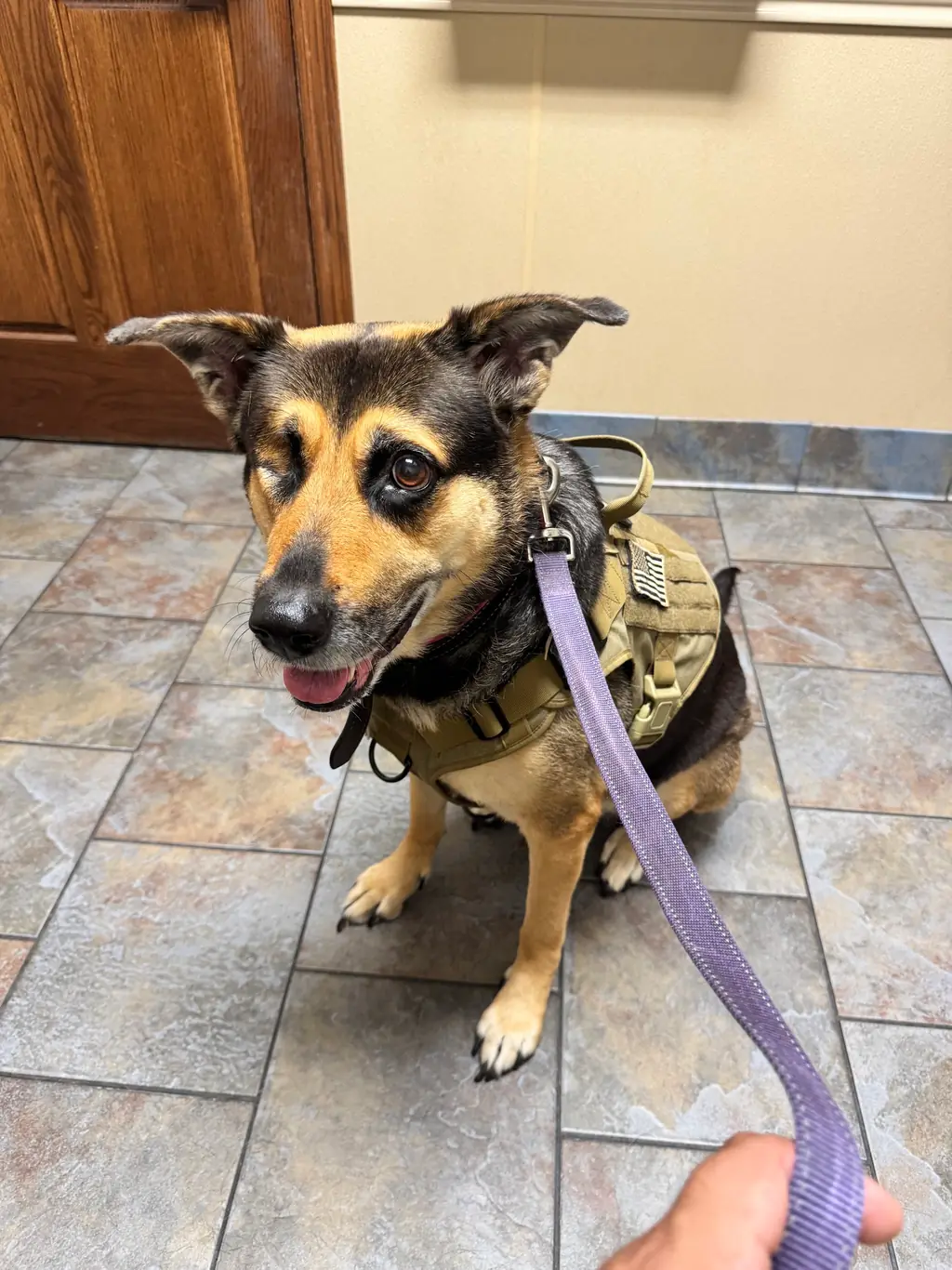
One of the most common questions pet owners ask us is some version of the same thing: is this an emergency, or can it wait for an appointment? It is a fair question, and a hard one to answer from the outside, because the line between concerning and urgent and true emergency is not always obvious, especially with an animal that cannot tell you how bad something actually feels.
What counts as an emergency
- trauma or accidents
- difficulty breathing
- sudden weakness or collapse
- uncontrolled vomiting or diarrhea
- severe pain
- ingestion of toxic substances or foreign objects
- seizures
- excessive bleeding or wounds
- sudden changes in behavior or responsiveness
Any of those calls for immediate attention, not a wait and see approach. These are the situations where minutes matter, where a delay of even a few hours can change the outcome. If your pet is showing any of these signs, do not wait for a callback. Call us, or if it is after hours, head straight to emergency care.
What counts as urgent, and why same day matters
- persistent vomiting or diarrhea
- ear infections or skin irritation
- sudden limping
- eye redness, squinting, or discharge
- coughing or sneezing
- minor wounds or abscesses
- pain
- loss of appetite
- behavioral changes or lethargy
This is the harder category, because none of it looks dramatic, and it is exactly where let's just watch him for a day or two quietly turns into a bigger problem. Our practice reserves same day appointments for this gap between routine and emergency, because a lot of what pets go through does not fit neatly into either box. If your pet is not feeling well, is limping, or is simply not acting like themselves, that is reason enough to call and ask for a same day slot rather than waiting for the next open routine appointment.
It helps to think about trajectory rather than just the symptom itself. A dog that vomits once after eating too fast and then acts completely normal is a different situation than a dog that has vomited three times and is now lying still and refusing water. The second version, even without a single item from the emergency list above, is worth a same day call. When you are not sure which category you are looking at, describing what changed and how quickly is more useful to us than trying to diagnose it yourself before you pick up the phone.
What we can handle here, and what happens after hours
During the day, our hospital is set up to stabilize urgent conditions on the spot. We run our own in-house laboratory, take digital X-rays, and can perform abdominal ultrasound and echocardiograms without sending you somewhere else first, which matters when the whole point of urgent care is speed. Getting bloodwork and imaging back the same visit, rather than waiting on results from an outside lab, is often what turns a vague symptom into an actual answer, and an actual treatment plan, before you leave the building.
After our hours, we partner with VetTriage, a service that connects you with a veterinarian over live video for a small fee and helps you figure out, in real time, whether your pet needs to be seen overnight and where the nearest emergency hospital is. That call alone can save you a drive across town at 2 a.m. for something that could safely wait until morning, or tell you clearly that it cannot wait and exactly where to go. It is also worth having that number saved in your phone before you ever need it, the same way you would keep any emergency contact, rather than searching for it while you are already worried.
What to do while you call
If you think you are looking at an emergency, call us or the nearest emergency hospital before you get in the car, not instead of getting in the car. A quick call lets the team on the other end tell you whether to bring your pet straight in, and gives them a head start preparing before you arrive. Try to have a short, plain description ready: what happened, when it started, and anything you saw your pet get into, eat, or fall from. You do not need to have it perfectly organized. Even a rough answer to those three questions helps more than you would expect.
When in doubt, call. We would always rather field a question that turns out to be nothing than have an owner in Kyle, Buda, San Marcos, or anywhere nearby second guess a real emergency because they did not want to bother us. You can reach us at (512) 268-5003, and our urgent and emergency care page has more detail on what each visit type actually involves.
Kyle Animal Hospital · (512) 268-5003
Call (512) 268-5003More articles
The Dental Disease Your Dog or Cat Is Hiding From You
Pets are experts at hiding discomfort, and nowhere is that more true than in their mouths.
The Senior Pet Years: What Actually Changes, and What to Watch For
"He's just slowing down" is sometimes true. It's also the sentence we hear most often right before a bigger conversation.